


CONTRACEPTION
We know that sex education in the UK teaches young people not to be sexually active to prevent unwanted pregnancy.
At F*ck It! we want you to be informed of all your contraceptive options so you can make the best decisions for you
EXTERNAL CONDOM

A barrier method of contraception that works by covering the penis when its erect and catching semen during ejaculation. It's the only method that protects against unwanted pregnancy and Sexually Transmitted Infections (STIs).
Condoms are widely available online, in supermarkets and pharmacies, and can be accessed for free from sexual health clinics. They're 98% effective at preventing pregnancy but only when used correctly.
Most condoms are made of latex which some people are allergic to (although there are latex-free alternatives available!). They can be broken or split by things like teeth, long fingernails and jewellery if not handled carefully
INTERNAL CONDOM
Another barrier form of contraception that, instead of covering the penis, is placed in the vagina before sex with one end closed and the other open for the penis to be inserted
They are 95% effective at preventing pregnancy when used correctly and they protect against STI's. However, they are often more expensive than external condoms and are harder to get hold of over the counter

DIAPHRAGM
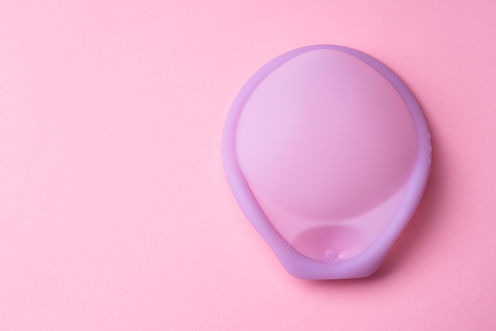
A silicon or rubber cap that you insert yourself into your vagina. It covers the cervix to prevent sperm passing through and lasts up to 30 hours. It must also be used with spermicide and left in for 6 hours after sex
Before using a diaphragm you must see your GP as only they can give you the right size for your cervix. Spermicide is easily purchased at pharmacies or online but it isn't suitable for individuals allergic to latex or certain chemicals
This method is 92-96% effective and is a good solution if you can't use hormonal contraceptives or if you don't like condoms. However, they don't protect against STIs unless used with a condom and they have been know to trigger cystitis or other urinary tract infections
ORAL CONTRACEPTIVES OR THE PILL
A small tablet that must be taken orally each day. There are many different types containing different hormone compositions and concentrations, meaning you must speak to a GP or nurse to discuss which one will be the best fit for you
The contraceptive pill is available for free on prescription and is a convenient way to prevent pregnancy. Many pills can have positive side effects, such as making periods lighter or reducing acne
It can also have undesirable effects like weight gain, depression and reduced sex drive. The pill also doesn't protect against STIs and must be taken at the same time everyday to be fully effective, which can be difficult to remember

VAGINAL RING
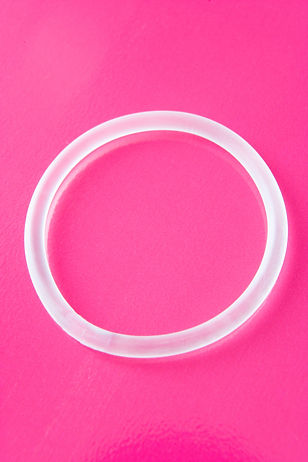
A small and soft plastic ring that is placed in your vagina and releases oestrogen and progesterone to prevent pregnancy. The standard way to use it is to insert it into a comfortable place in your vagina and leave it for 21 days before removing it for a 7 day break
You can get a vaginal ring for free from a GP or sexual health clinic. It's a convenient form of contraception that you don't have to think about everyday, is easy to take in and out, and is up to 99% effective at preventing pregnancy
It doesn't protect against STIs and having to insert it and remove it from your vagina might not be something you're comfortable with doing
CONTRACEPTIVE PATCH
A small sticky patch that releases oestrogen and progesterone into your body through the skin to prevent pregnancy. Each patch lasts a week, changing it for 3 weeks before having a week break
You can where the contraceptive in the bath and when swimming and it is over 99% effective. It's easy to use, doesn't interrupt sex and can make your periods lighter and less painful
It can have temporary side effects, such as sickness and headaches. It may also be visible on your skin and inconvenient to remember to change it on the same day each week

CONTRACEPTIVE IMPLANT

The implant is a small plastic rod that's inserted under the skin in your upper arm by a doctor or a nurse and it releases progesterone into the bloodstream to prevent pregnancy for up to 3 years. You are given local anaesthetic to numb the area and it feels like having an injection
It's more than 99% effective and is a good option for individuals who can't remember to take/change their contraception regularly
You may experience side effects but the implant can be taken out whenever if you need it to be. Your periods may become irregular and it doesn't protect against STIs

CONTRACEPTIVE INJECTION
An injection that releases progesterone into your bloodstream to prevent pregnancy and lasts 8-13 weeks
This is a convenient contraceptive method and is good for individuals who don't remember to take the pill everyday. However, if it causes side effects, such as hair loss, headaches and mood swings, these can last for the whole 13 weeks the injection is effective for. It also doesn't protect against STIs.
HORMONAL IUS
A small T-shaped plastic device that's put into your uterus by a doctor or nurse. It releases progesterone to prevent pregnancy and lasts 3-5 years. When fitted, your vagina is held open and the IUS is inserted through the cervix into the womb. This may be uncomfortable or painful, but you can be given local anaesthetic
It is one of the most effective contraceptive methods and your fertility goes straight back to normal once it's removed. However, there's a small chance of infection once the IUS is fitted as well as a small chance of your womb rejecting it

IUD OR THE COIL
A small T-shaped plastic and copper device that's inserted into your womb by a doctor or nurse. It releases copper to stop you getting pregnant and lasts 5-10 years
Getting an IUD fitted is a similar procedure to the hormonal IUS, meaning it can be uncomfortable or painful. There is also the risk of your womb rejecting it or you developing an infection after its been inserted
However, it is more than 99% effective and is a long term contraceptive solution that you don't have to worry about on a daily basis

If you have any questions about contraceptive options, it's always a good idea to speak to your GP or visit a sexual health clinic!